
Flatfish at Seaton Beach.
Words and images from Charlotte Sperrin
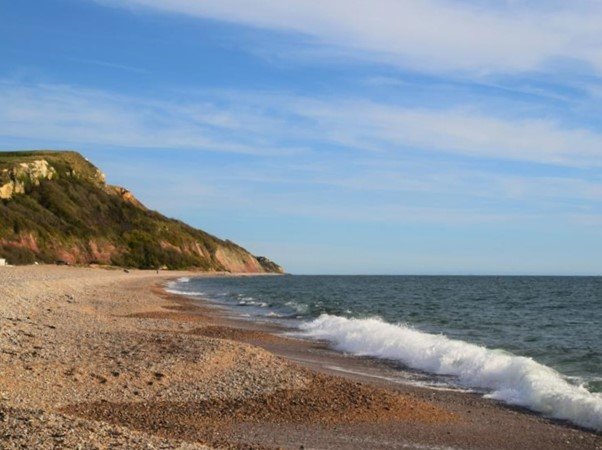
I really fancied trying my hand at targeting a flatfish in the clearer waters on the south coast of England. With a short break in the weather, we ventured down to Seaton in East Devon, plaice being the main target species of the day!
March Targets.
In March there was a really good chance of catching a plaice somewhere on the South coast. Plaice have been on my target species list since I began fishing. Unfortunately, the weather this spring had been pretty atrocious with an abundance of wind and rain. Plaice are primarily sight feeders so clear water is generally a necessity.
After checking the forecast I noticed a sudden break in the weather, I loaded the car and headed down to Seaton. Fellow pro-team member James Madsen decided to join me on this trip. James has had a lot of experience plaice fishing at Seaton, so he would be able to give me some pretty useful advice when fishing this venue.

New Gains.
We arrived mid-afternoon at a quiet beach. The weather didn’t exactly match the forecast, there was a moderate south-westerly wind blowing in from the right-hand end of the beach and a fair bit of chop on the water. James seemed to be a little concerned that the water wasn’t as clear as he had hoped but was still positive that we’d be in with a good chance of catching a plaice. After finding our spot on the beach and setting up our equipment, James wanted to show me the rigs we would be using in this session.
I hadn’t tied a plaice rig before so James offered to come prepared with some extras. He had tied a variety of two hook-clipped-down rigs. We ended up selecting a short two hook loop rig with size 2 Cox & Rawle Long Range Worm hooks (SCR38) tied on to 18-inch snoods. These shorter rigs would help in adding a bit more distance to our casts. Bait wise, we had brought a selection of lugworm and ragworm.
The Cox & Rawle Long Range Worm hook was a new one for me. James had heard reports of odd Smooth hounds being caught at Seaton and explained to me that this hook would be able to land a larger fish if we should happen to hook into one. This looked like a great hook to me, ideal for worm baits with a reasonably long shank and a very sharp looking point. I also noticed a couple of small barbs on the shank which I guess will help keep the bait on the hook when casting.
Into the action.
We soon warmed up when the action finally began. James had a good bite on his right-hand rod and reeled in a beauty of a plaice. He posed for a quick photo and then released the fish back into the water. Pretty soon after, James had another good bite which produced a second plaice. At least he had achieved his target species and now hopefully it was my turn.
My first bite finally came. I got very excited after seeing a good slow pull down on my rod tip. This definitely looked like a flatfish bite. I didn’t want to rush it, sometimes it really is a good idea to let these bites develop. Now for the nervous moment, I lifted up the rod and began to wind in. Thankfully, there was a good weight on the line. Whatever it was, this fish was staying deep which was a good sign that it was a flatfish. Nearing the shoreline now, I carefully guided the fish out of the surf and onto the pebbles. The good news, it was a flatfish, not a plaice but a lovely looking flounder. It almost looked like a different species in comparison with the flounders I’m so used to catching in the Bristol Channel.


As it turned out, this was our best piece of action in the session. We did stay on and fish for a couple of hours in darkness, but all this produced were a few small pouting and dogfish.
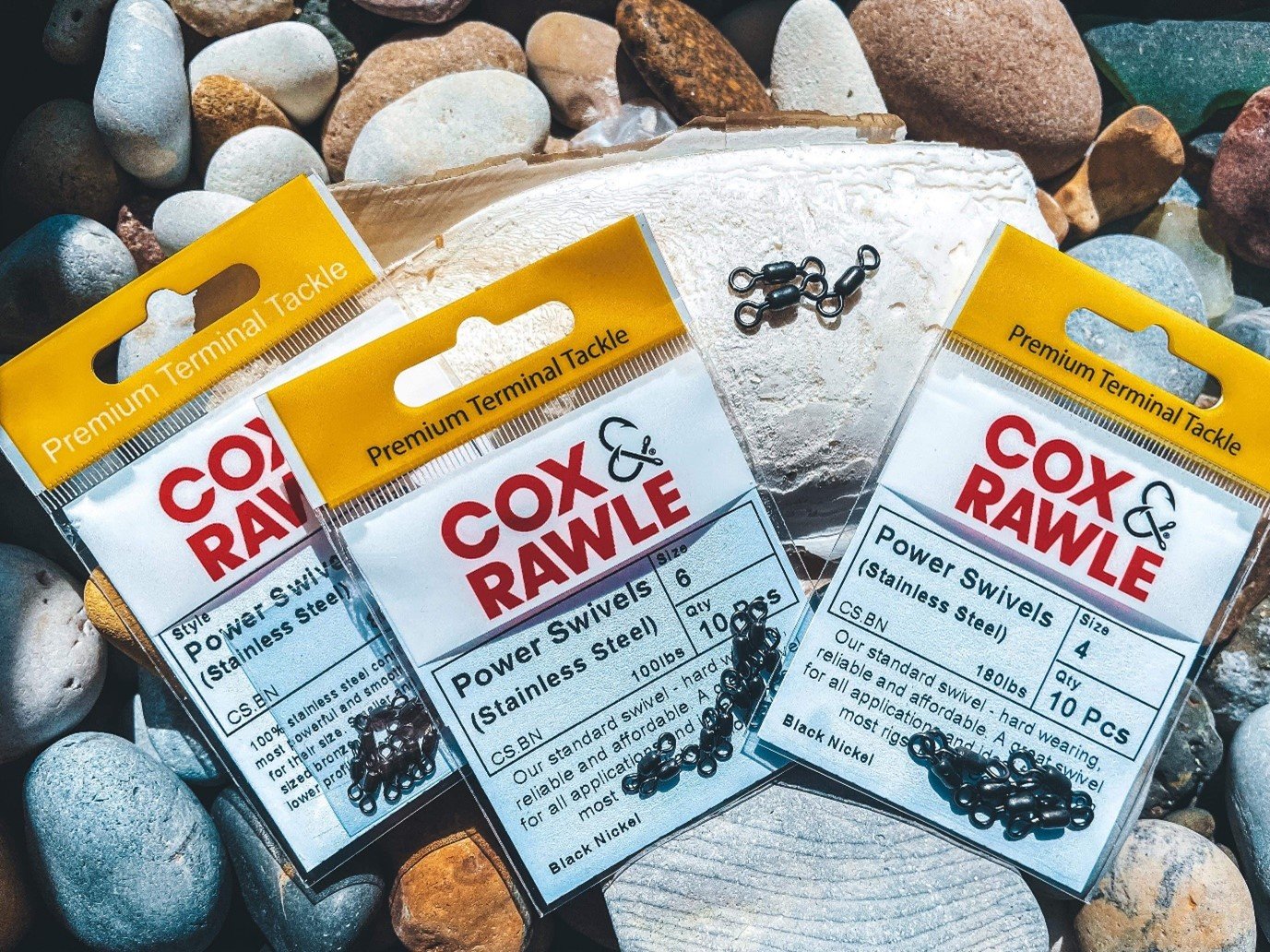
I really enjoyed my first experience of Seaton beach. To be perfectly honest, I think a bit more casting practice for me would help for future trips targeting plaice. On the day I would say the main difference between myself and James was the casting distance. Nevertheless, I learned some really interesting stuff. Particularly when it comes to tying rigs for plaice and of course I discovered the Long Range Worm Hook for the first time. With regards to the rigs, it was interesting to see how James had selected smaller Cox & Rawle rig making components in order to achieve maximum casting distance. If you are interested, you should check out the stainless steel crane swivels which are extremely strong for their size.
Now we are into the month of April, I think my intentions will switch to bass. I’ve got a personal best of 6lb 2oz to beat!
Recent Posts
Keep up with the latest posts on the blog, all the news and product reviews. Hints and tips.
Thornback Fishing with John Locker
Thornback Fishing with John Locker Though spring may mark the arrival of many migratory birds and insects, it heralds few notable changes in Britain’s marine environments, especially though the eyes of us anglers. The result of the sea taking longer to succumb to the...

No Bait, No Problem: Catching Bass with Simple Lures
No bait no problem: catching bass with simple LURESTravelling to the coast to find out you have left your bait at home in the fridge is enough to keep and Angler up at night. Fortunatly however, Cox and Rawle Ambassador Martijn Dekkers' shares a simple rig design...

SCR20 Stinger, A Fantastic All-round Hook.
Words and imagery from ambassador, Martijn DekkersWhen hunting for a certain species of fish, efforts should be made to catch that species specifically. Factors such as the right tide, the best time of day or night, the season, and the fish’s preferred depth of water...
I’m fishing season beach tomorrow afternoon low water up, I’m targeting flatties hopefully plaice using live rag worm.