
Keeping Warm and Dry - a guide to dressing correctly outdoors
3 Layer Principle
It may not be obvious however, incorrect dress in the great outdoors may cause damp inside your clothing that may in turn lead to you being cold or worse to hypothermia.
The three-layer principle is a simple and functional system, where the combination of the various clothing layers ensures optimal comfort.
For instance, a breathable jacket provides very little effect, if the layers used below, are not breathable. There is no point in spending hundreds of pounds on buying a good jacket, if you omit to buy the corresponding functional base and middle layers.
The objective with the three-layer principle is to create a system, that keeps you warm and dry, even under the most demanding weather conditions.
The three essential layers are:
- Tight-fitting, perspiration transporting Base Layer
- Middle Layers, determined by activity level and requirements for insulation
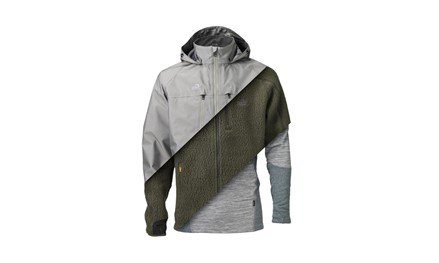
- Waterproof Outer Layer to protect you against wind, rain, hail, or snow
1st – Base Layer (Underwear)
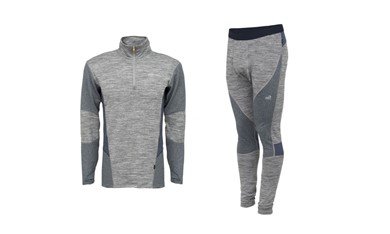
The most important function of your base-layer is to facilitate the wicking of excess moisture away from your body, ensuring that you don’t get wet and cold.
Merino-wool is the most popular material used for this as it has a natural ability to regulate temperature, making sure that your skin doesn’t get cold.
The wool warms / releases energy regardless of whether it is moist or dry.
The ability to regulate body heat makes merino-wool the obvious choice for year-round use – its warm in winter yet cool in the summer
When using merino-wool, it’s wise to wash it as little as possible, this preserves the natural lanolin in the wool and extends the lifetime of the fabric greatly. Instead hang the clothes out in fresh air, especially if the temperatures are below zero.
Merino wool is a natural fibre and being thinner and softer than regular wool makes it easy to wear against the skin. Its fibres are inherently porous being composed of little plates that moisture vapour can get in between to wick away from your skin.
Geoff Anderson base layers integrate Merino wool into the Polartec® Power Grid™ construction to provide strength and performance by increasing warmth and breathability while also reducing fabric mass. The geometric grid pattern improves compressibility, wicking, and adds technical style.
2nd – Middle-Layer (Insulation)
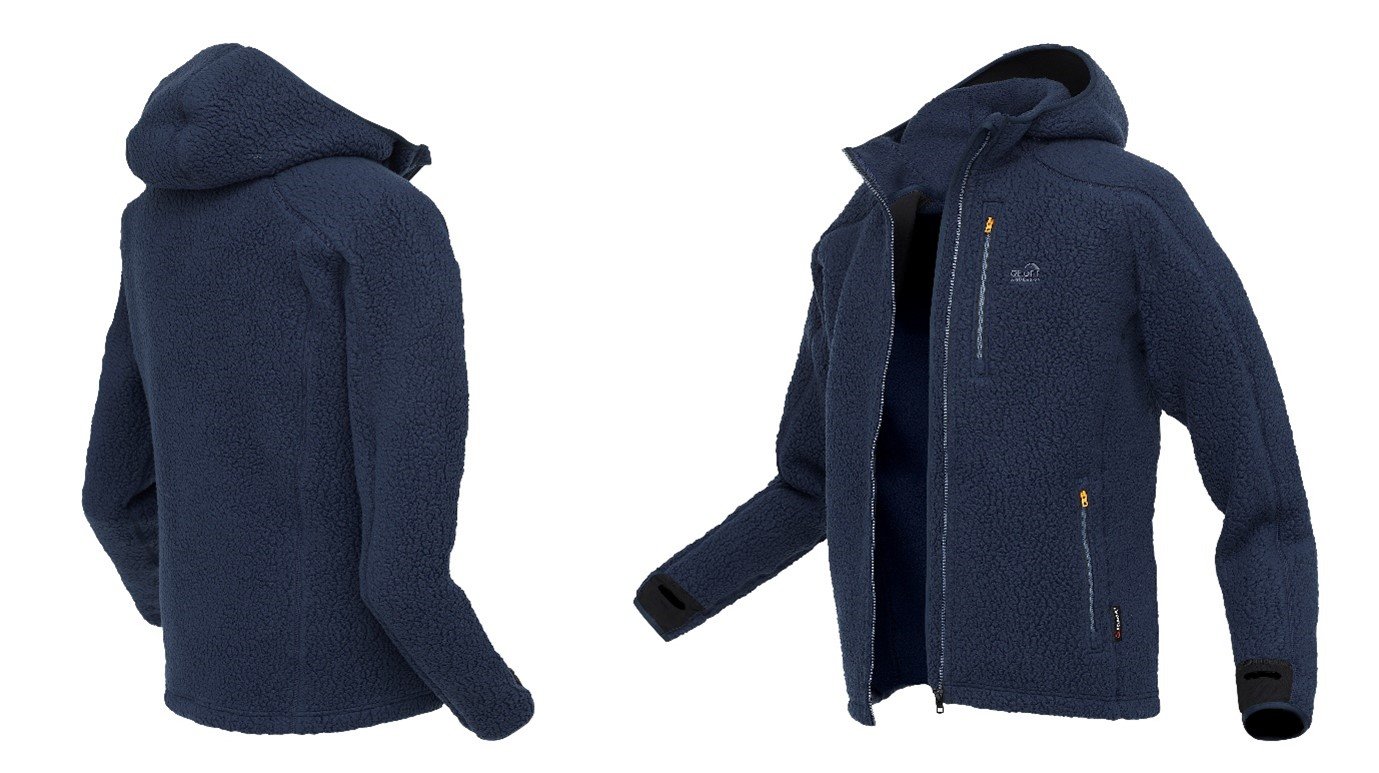
The function of the middle layer is to ensure that you keep warm. The middle layers can be changed depending on your activity level and requirements for insulation – so it fits your demands.
Fleece is the most commonly used material as the structure of the fabric traps a lot of air between the fibres – and it is this air that creates the heat. Fleece has that ability to soak up and transport excess perspiration / damp and dries very fast.
Fleeces are mostly manufactured of Polyester, often produced from reused plastic packaging.
The difference between a good fleece and a bad fleece is first and foremost how much air it can bind within the material, and thereby how warm it is.
On top of this a good quality fleece has much higher abrasion resistance than those of lesser quality.
Polartec® is the leading manufacturer fleece material on the market, well known for its high quality, ensuring maximum heat retention and breathability.

3rd – Outer-Layer (Waterproofing)
The outer layer’s function is to protect you against the elements – be it wind, rain, hail, or snow. It’s very important to understand that a breathable fabric is only capable of “breathing” vapour – not perspiration in fluid form. If you experience condensation on the inner side of the outer layer, it can feel like the outer layer is not waterproof – but the problem can often be solved with the right base and middle layers.
Cotton is not suitable to use in any of the layers because it retains moisture, especially when used in combination with fleece.
Correct use of base and middle layers is crucial to optimize the full functionality of the Outer Layer.
For more information about The Geoff Anderson range contact us and we can help.
To buy today visit www.spritefishing.com
Recent Posts
Keep up with the latest posts on the blog, all the news and product reviews. Hints and tips.
Thornback Fishing with John Locker
Thornback Fishing with John Locker Though spring may mark the arrival of many migratory birds and insects, it heralds few notable changes in Britain’s marine environments, especially though the eyes of us anglers. The result of the sea taking longer to succumb to the...

No Bait, No Problem: Catching Bass with Simple Lures
No bait no problem: catching bass with simple LURESTravelling to the coast to find out you have left your bait at home in the fridge is enough to keep and Angler up at night. Fortunatly however, Cox and Rawle Ambassador Martijn Dekkers' shares a simple rig design...

SCR20 Stinger, A Fantastic All-round Hook.
Words and imagery from ambassador, Martijn DekkersWhen hunting for a certain species of fish, efforts should be made to catch that species specifically. Factors such as the right tide, the best time of day or night, the season, and the fish’s preferred depth of water...